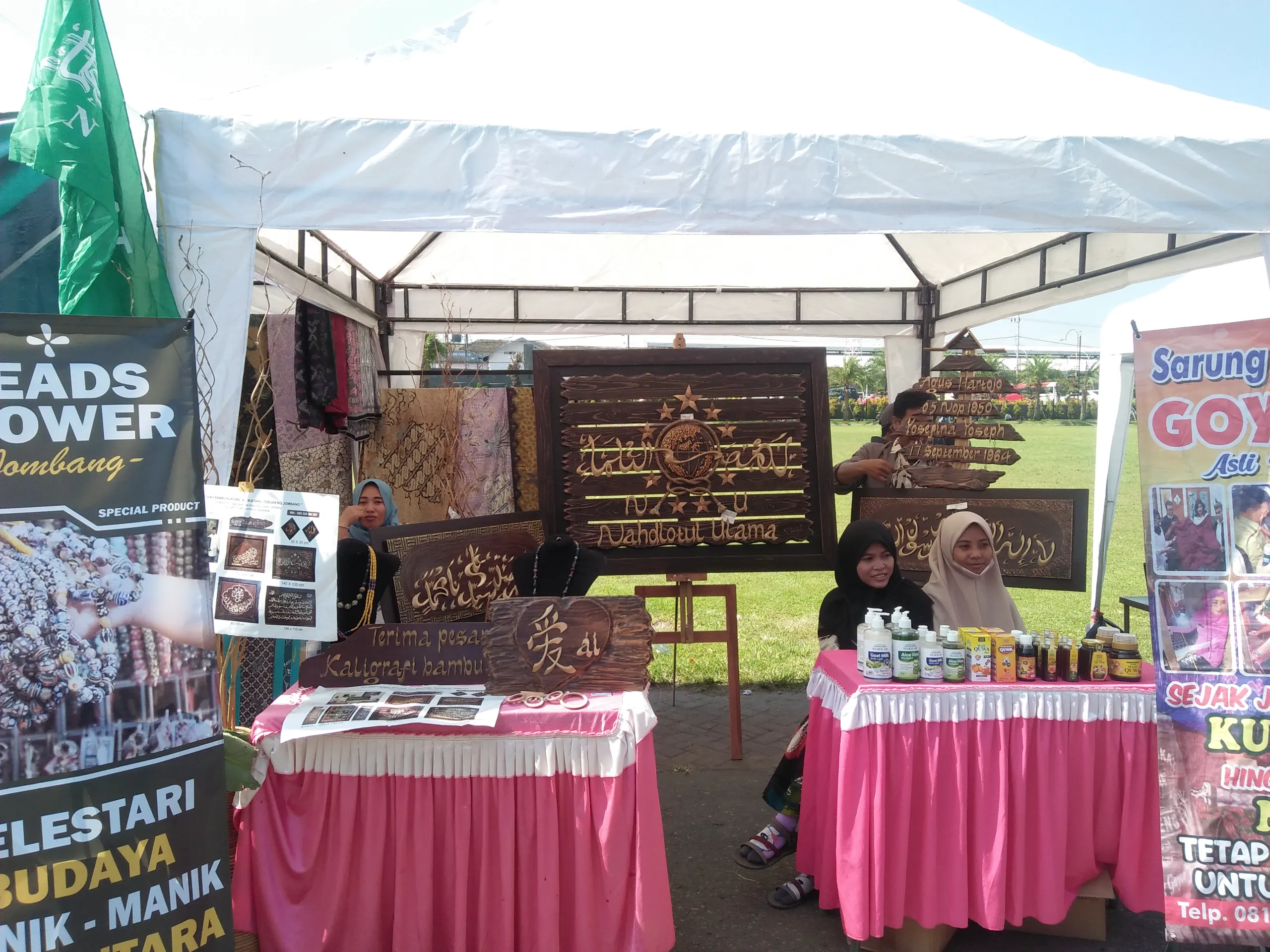
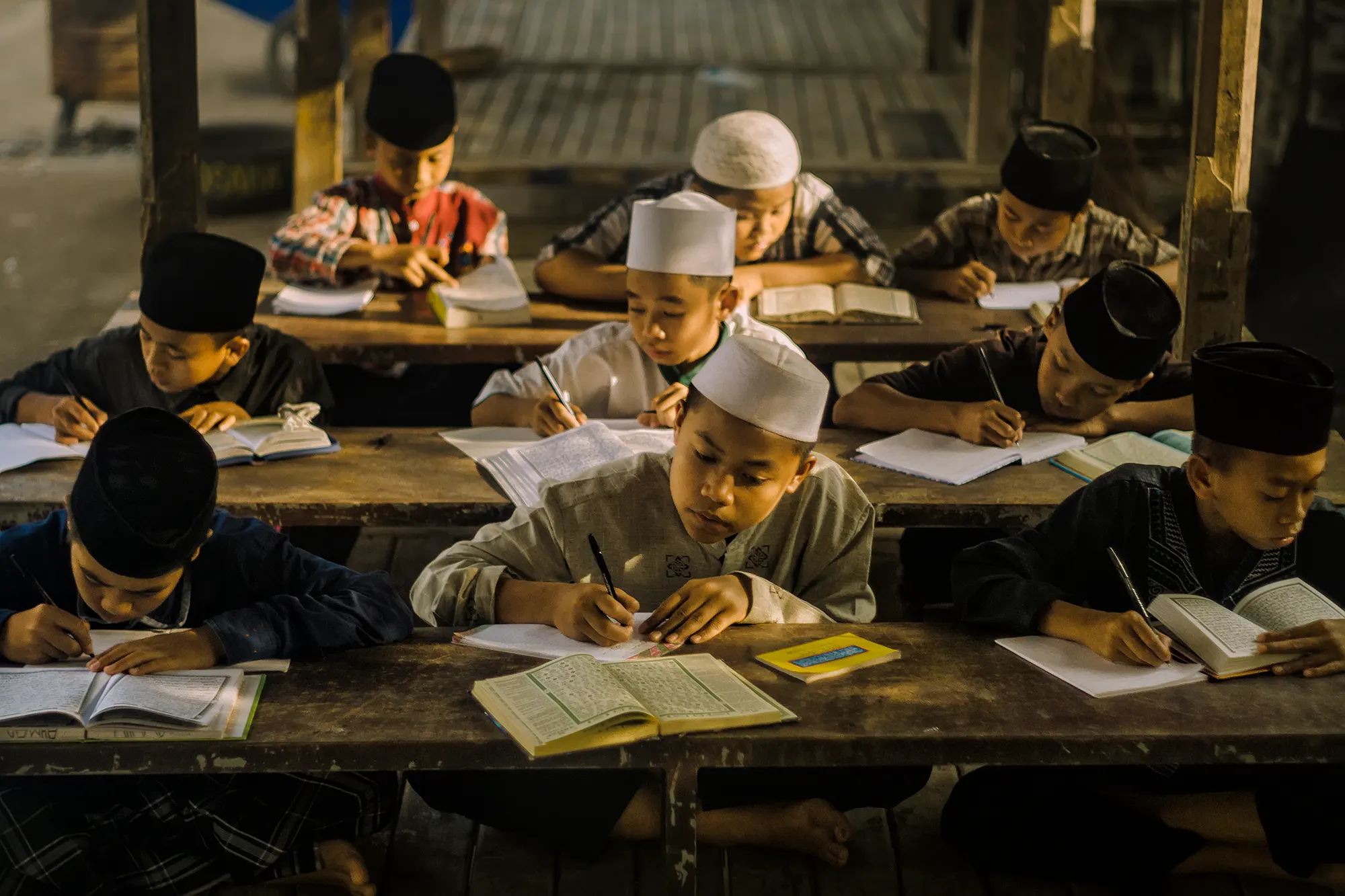
Pesantren have long been known as places that shape character and religious knowledge. Many also have a tradition of self-reliance: students take care of their own needs, work together, and learn life skills. A vocational pesantren continues that tradition in a more focused way, equipping students with the work skills their communities need.
Why vocational education, and why now?
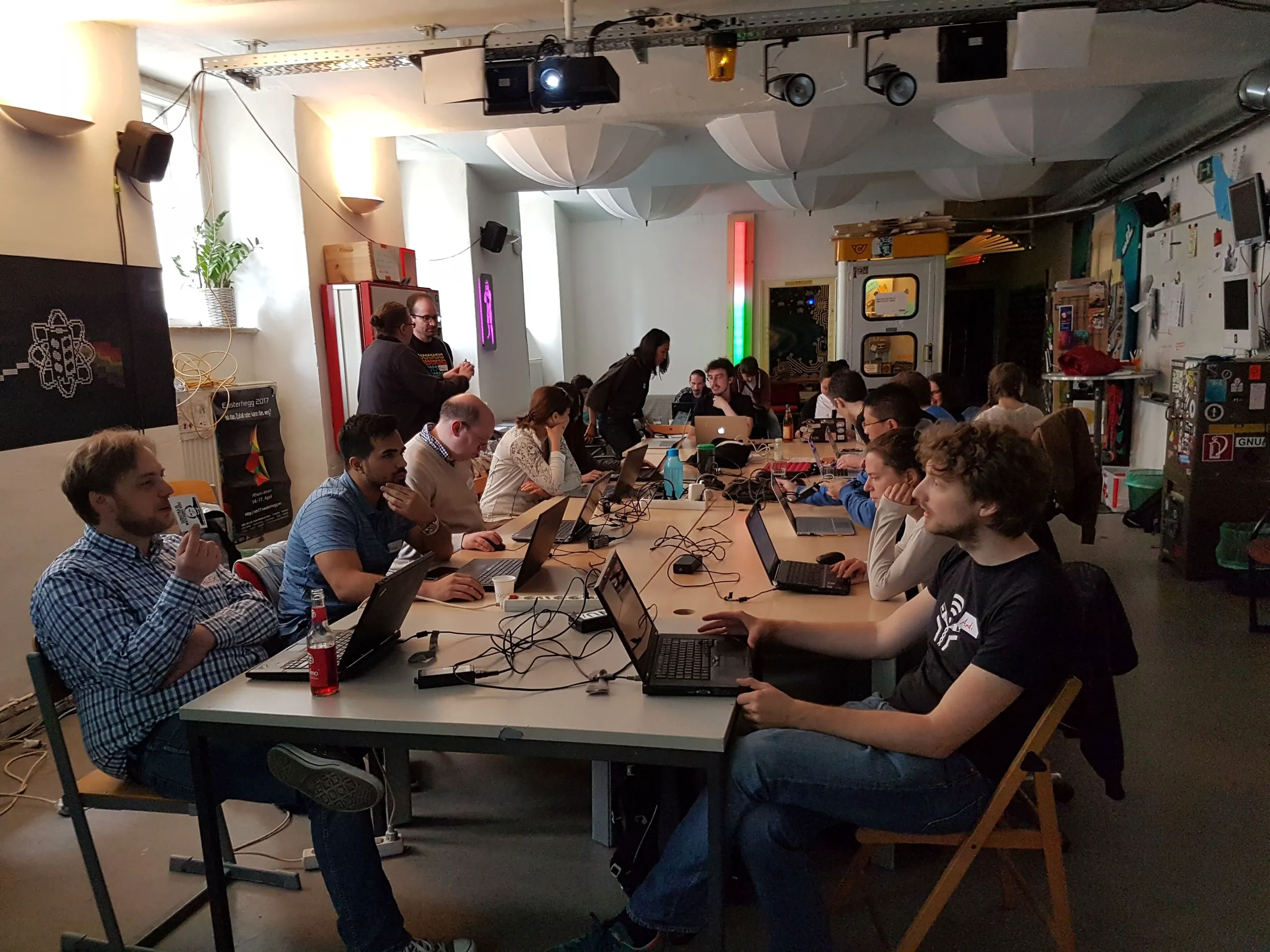
The world of work is changing fast. Jobs that were once fully manual now involve technology: builders read working drawings on their phones, mechanics use digital diagnostic tools, and small traders sell through social media. Students with only one kind of preparation will struggle to compete. Students who master religious knowledge, technical skills, and digital literacy will be far better prepared.
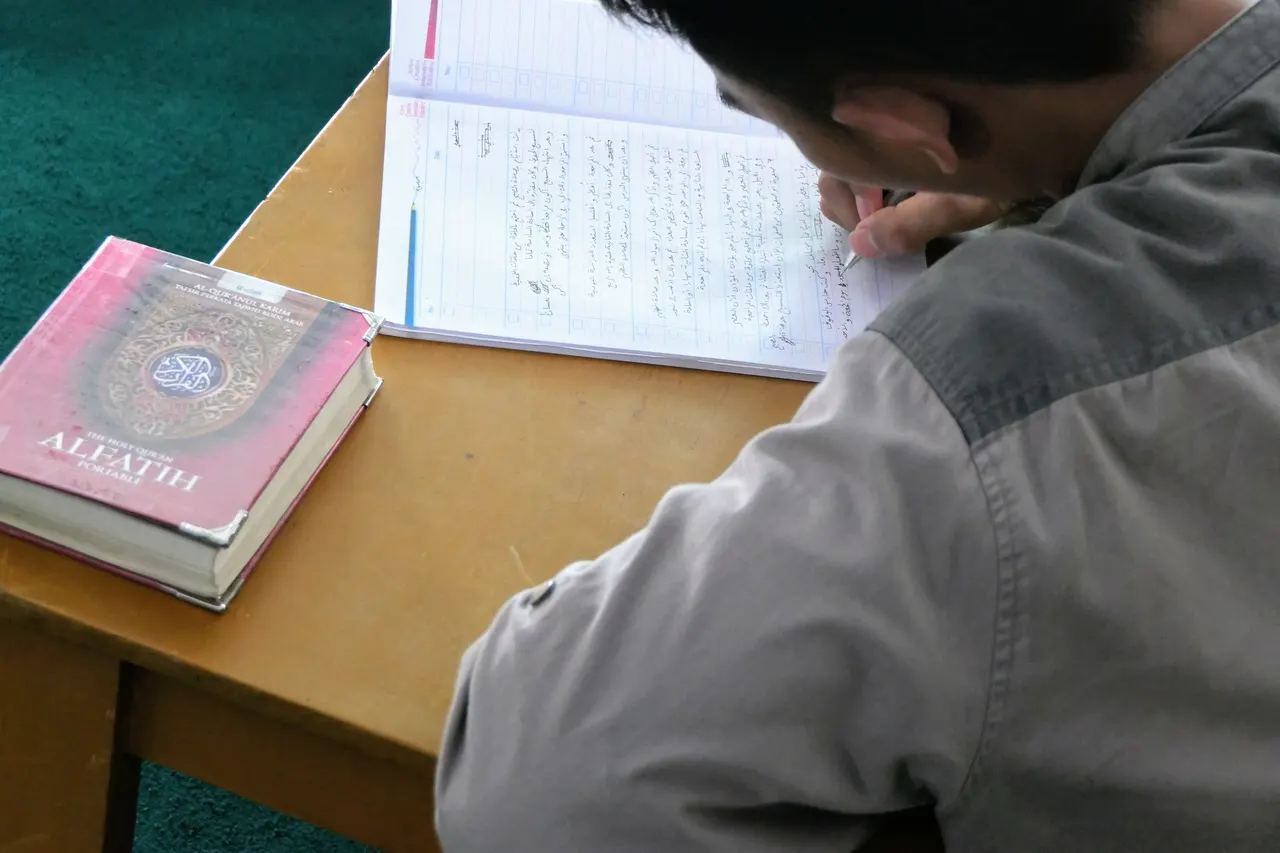
Three things every vocational santri needs
Good conduct and religious knowledge: the foundation for using skills honestly and responsibly.
Work skills: practical expertise that can earn a living right away, from construction to programming.
Digital literacy: finding information, communicating, marketing one's work, and learning independently online.
Learning through real projects
Vocational education works best when students learn by doing real work. Building pesantren facilities, maintaining vehicles, creating a website for a village, or helping small businesses nearby with marketing are all valuable classrooms. Students learn discipline, teamwork, and responsibility toward the people who use their work.
Skills learned with good conduct produce workers people trust, not merely workers who are skilled.
Towards self-reliant students
The end goal is self-reliance: students who can work, start a business, and benefit those around them. Digital technology widens those opportunities. A student can take orders from another city, learn new skills from online courses, or build a portfolio that many people can see. With the right preparation, students do not just follow change, they help shape it.
Cover photo: Focusfeel, CC BY-SA 4.0, via Wikimedia Commons
#santri#pendidikan vokasi#literasi digital#pesantren
See our programs
Read more