
Villagers are increasingly familiar with smartphones and the internet. They expect village services to be easier too: clear information, faster paperwork, and accessible announcements. The good news is that village digitalisation can happen step by step, without building a complex system all at once.
1. Put the village profile online
Start with a website or profile page that covers the basics: the village government structure, service hours, contacts, local potential, and the latest announcements. Register the village office on Google Maps so it is easy to find.
2. Simplify letter services
Many residents visit the village office just to ask about requirements for a letter. Publish the requirements for each type of letter online, then provide a simple request form so residents can apply before coming to collect their documents.

3. Organise village data
Population, asset, and programme data stored neatly in digital form makes planning and reporting easier. Use consistent formats, make regular backups, and limit access to personal data to authorised staff only.
4. Open information to residents
Transparency builds trust. Budget summaries, activity lists, and development results can be published in an easy-to-understand form, such as infographics or simple tables.
5. Build the capacity of village staff
Technology only helps when the people running it are ready. Regular training for village staff, from managing the website and processing data to account security, is the investment that most determines whether digitalisation succeeds.
A vocational pesantren can partner with villages in this process, for example by preparing skilled people who help build and maintain the village's digital services.
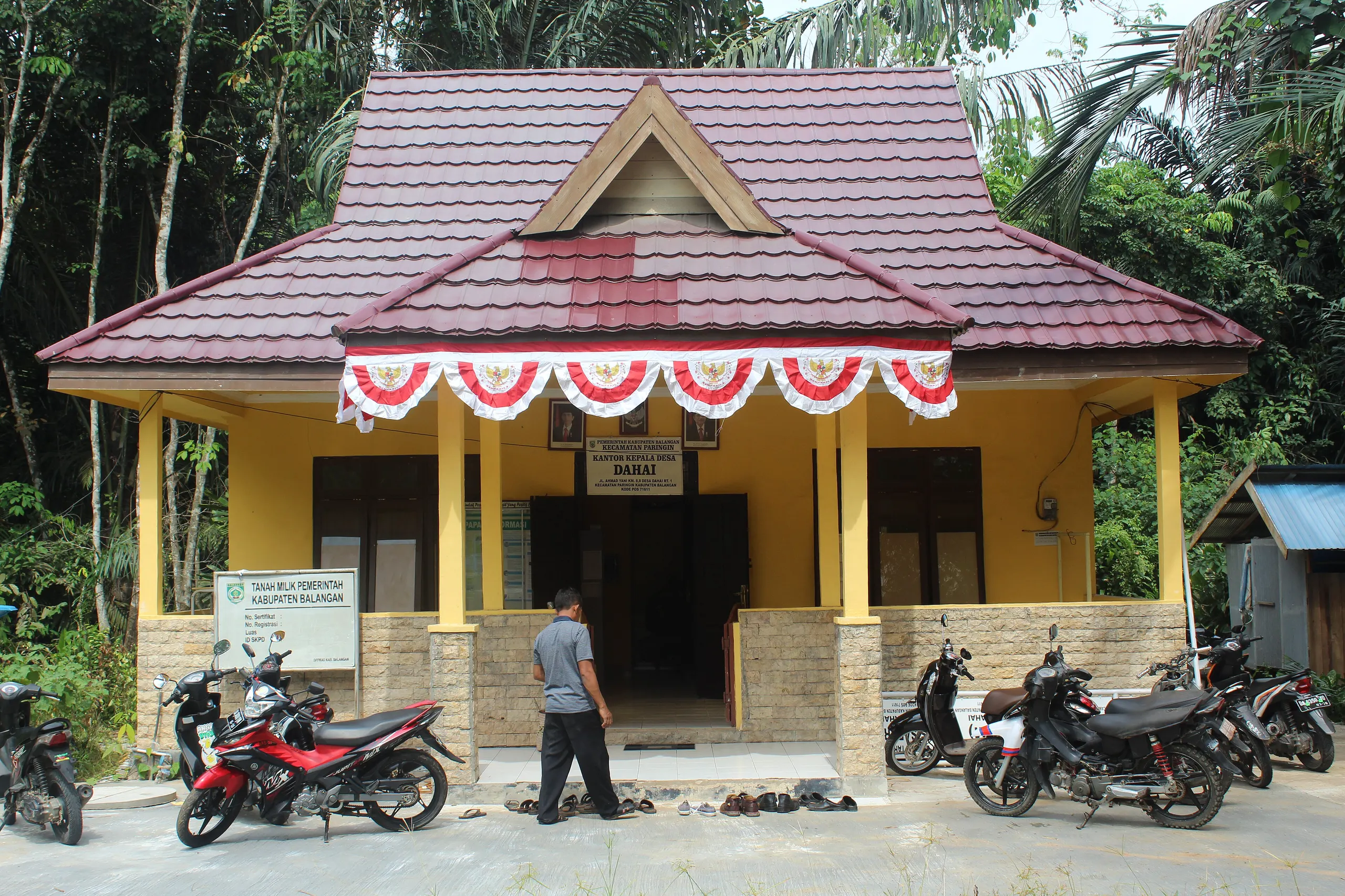
Cover photo: Desa dahai, CC BY-SA 4.0, via Wikimedia Commons
#digitalisasi desa#layanan publik#pemerintahan desa#data desa
See Government Digitalization
Read more