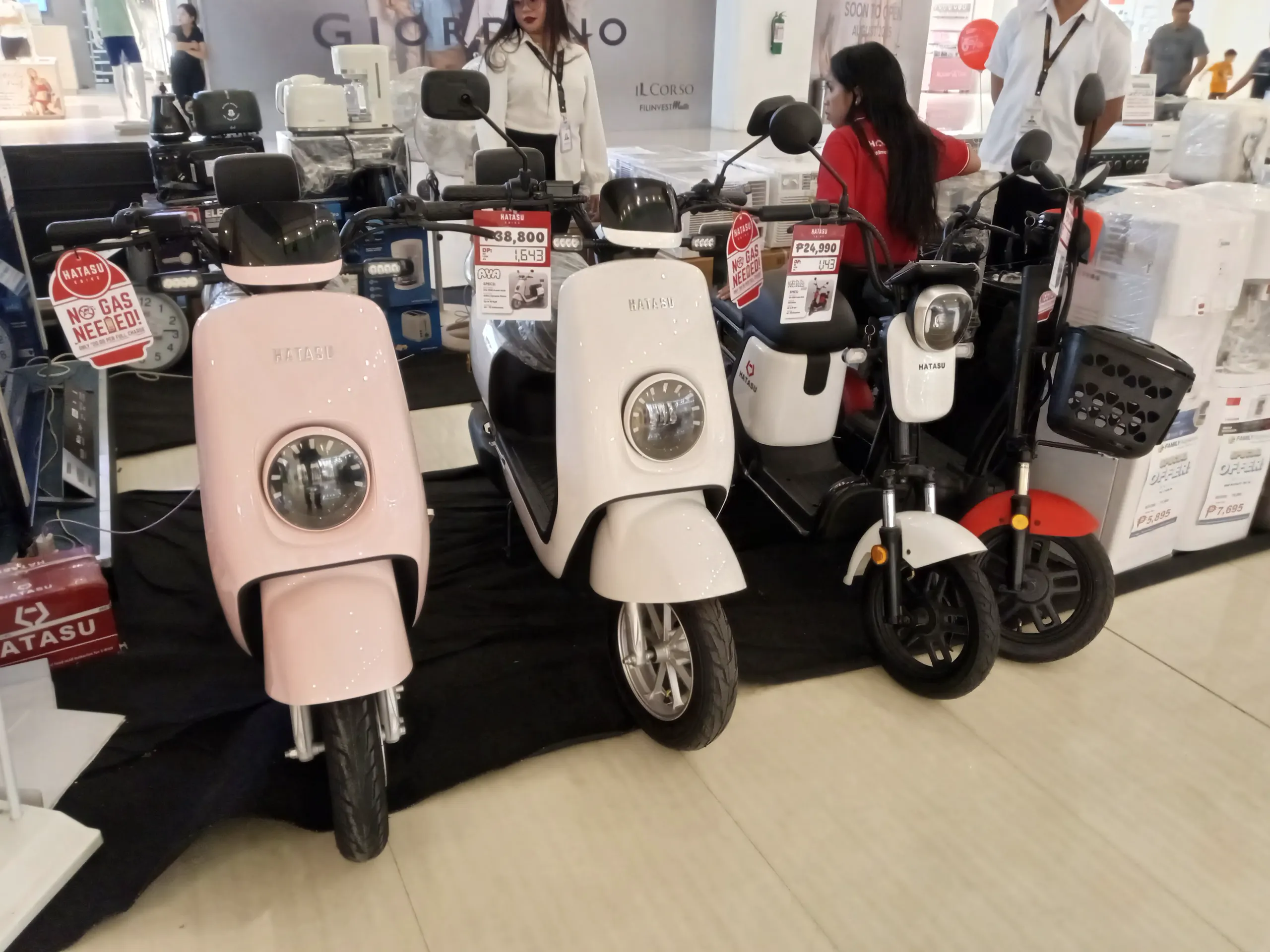
Electric motorcycles are now easy to find, on the road and at dealerships. They are cheap to run, need little engine maintenance, and produce no tailpipe emissions. Yet every vehicle still needs care and repair. That creates a new need: mechanics who understand how electric vehicles work.
How are they different from petrol motorcycles?
Electric motorcycles have no carburettor, spark plug, or engine oil. Instead they have a lithium battery, a battery management system (BMS), a controller, and an electric drive motor. Common faults are different too: weakening battery cells, loose wiring, faulty sensors, or a controller showing an error code.
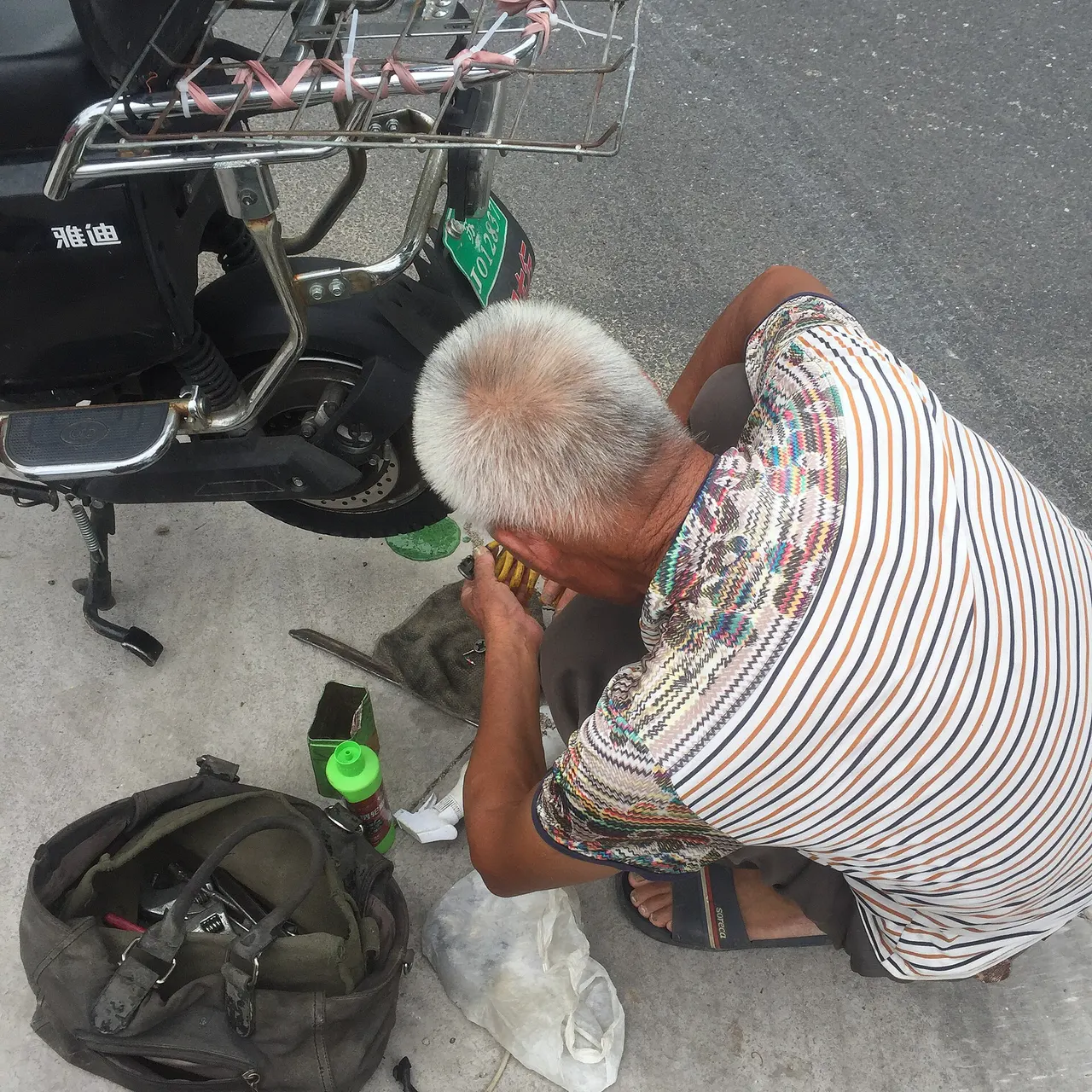
Skills that are needed
Electrical basics: current, voltage, power, and measuring with a multimeter.
High-voltage safety: safe procedures for opening and handling batteries.
Digital diagnosis: reading error codes and using smartphone-based diagnostic apps.
Routine maintenance: brakes, wheels, and body electrics remain everyday workshop jobs.
Opportunities for vocational graduates
As more people ride electric motorcycles, demand grows for workshops that can service them, including in small towns and villages. Vocational graduates can work at dealerships and authorised workshops, open their own workshop, or offer conversion and battery maintenance services. Workshops that keep digital service records and remind customers via WhatsApp find it easier to build trust.
The key is to start learning now. Electric vehicle technology keeps evolving, and those who master it early will become the go-to experts in their communities.
Cover photo: Wide Awake!, CC BY 4.0, via Wikimedia Commons
#pendidikan vokasi#motor listrik#kendaraan listrik#peluang kerja
See our programs
Read more